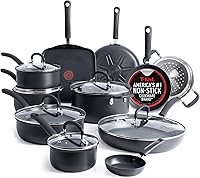
What Is Clad Cookware? Tri-Ply and 5-Ply Explained
Clad cookware bonds layers of metal into a pan, often stainless steel around an aluminum core. If you're asking what is clad cookware, the short answer is cookware built to combine a stainless cooking surface with heat-conducting metal.
On this page (9 sections)
- What is clad cookware, and how does it work?
- What do tri-ply and 5-ply mean?
- What is the difference between fully clad and a layered base?
- Why combine stainless steel and aluminum?
- What should you check when choosing clad cookware?
- Which clad cookware sets suit different kitchens?
- How should you use and care for clad stainless steel?
- What common buying mistakes should you avoid?
- How do you decide between tri-ply and 5-ply?
If you're asking what is clad cookware, it is cookware made by bonding layers of metal into one pan, often stainless steel around an aluminum core. Tri-ply has 3 layers and 5-ply has 5, but the layer count alone doesn't tell you which set fits your kitchen.
Cladding can extend up the sidewalls or stay in the base. That affects how heat moves through the pan, so check the construction alongside cooktop compatibility and the pieces you actually need.
What is clad cookware, and how does it work?
Clad cookware bonds two or more metal layers into a pan. In stainless clad cookware, stainless steel commonly forms the cooking surface and exterior, with aluminum between them to conduct heat.
Stainless steel suits browning and deglazing, while the aluminum core helps distribute heat. The metals are bonded into one body, rather than loosely stacked inside the pan.
Cladding can cover the base and sidewalls, or appear only in a layered base. For a closer look at the steel used on a cooking surface, see what 18/10 stainless steel means in cookware.
What do tri-ply and 5-ply mean?
Tri-ply means 3 bonded layers of metal; 5-ply means 5. The materials and their placement can vary, so two pans with the same layer count may still be built differently.
A common tri-ply layout uses stainless steel, an aluminum core, and another stainless steel layer. A 5-ply design adds more layers, which may include different metals or additional layers of the same metals.
More layers don't automatically mean better cooking. The metals, their thickness, and whether the layers reach the sidewalls all matter.
Does a higher ply count mean better heat?
Layer count alone can't predict how evenly a pan will heat. Look at the construction and how you cook, not just the number in the name.
A well-made tri-ply pan can suit a home cook who wants a stainless surface and aluminum core. Compare examples in our guide to tri-ply stainless steel cookware sets.
What is the difference between fully clad and a layered base?
Fully clad cookware has bonded layers across the base and up the sidewalls. Layered-base cookware concentrates those layers at the bottom, while the sides may use a single material.
Clad sidewalls help spread heat beyond the pan floor, which can matter when food cooks against the walls, such as in sauces. A layered base can suit cooking that happens mostly at the bottom, including simmering or boiling.
Look for terms such as “fully clad” or “clad to the rim.” If a description says “disc bottom” or “encapsulated base,” check whether the sides share the layered construction.
How can you tell if a pan is clad up the sides?
Look for wording that says the layers extend through the full body or to the rim. A picture of the pan's edge can also help show whether the layers continue through the walls.
A thick or encapsulated base doesn't necessarily mean the pan is fully clad. If the distinction matters and the construction isn't clear, confirm it with the manufacturer before buying.
Why combine stainless steel and aluminum?
Stainless steel and aluminum serve different roles in clad cookware. Stainless steel provides the cooking surface, while aluminum conducts heat through the body.
Stainless steel alone doesn't spread heat as quickly as aluminum. A bonded aluminum core helps move heat across the pan while stainless steel remains in contact with food.
For a broader look at how the materials compare, read aluminum vs stainless steel cookware. The right choice depends on the cookware type and how you plan to use it.
What should you check when choosing clad cookware?
Check where the cladding runs, which cooktops the set supports, and whether its pieces fit your cooking routine. Those details are more useful than choosing by ply count alone.
If you often make sauces, clad sidewalls may be useful. If you mainly boil or simmer, a pot's capacity, lid, and shape may matter more than the sidewall construction.
Think through your common meals before buying a set. A pair of frying pans, several saucepans, a stockpot, and an insert can be useful for a varied routine, but extra pieces take up storage and may go unused.
For a practical checklist, see what to check before buying pots and pans sets. If you are comparing other materials, what is the best material for pots and pans can help you narrow the options.
Is clad cookware compatible with induction?
Some clad stainless steel cookware works on induction, but the exterior must be compatible with the cooktop. Check the stated compatibility for the exact set or pan.
Don't assume the word “stainless” confirms induction support. If you cook on induction, make that a filter before comparing construction and piece counts.
Does 5-ply cookware weigh more than tri-ply?
It can, but layer count alone doesn't determine weight. The metals, their thickness, and the pan's size affect how heavy it feels.
If you lift cookware often or have limited cabinet space, compare the sizes and shapes of individual pieces. A set's piece count doesn't tell you how comfortable each pot will be to handle.
Which clad cookware sets suit different kitchens?
The best fit depends on cooktop compatibility, construction, and the pieces you will use. These sets illustrate different options without making ply count the only deciding factor.
Which tri-ply clad sets are worth comparing?
Tri-ply sets share a 3-layer construction, but their piece mixes and features vary. Compare the pans and pots with the cooking you do most often.
Tramontina's 11-piece Signature set suits a kitchen that can use several saucepans and a pasta insert. It works with induction, gas, electric, and ceramic glass cooktops, and is oven-safe up to 500°F.
All-Clad's D3 set suits someone who wants a smaller selection of core cookware, including a fry pan, saucepan, sauté pan, and stockpot. Its tri-ply aluminum-core construction is oven-safe up to 600°F and works on induction.
Cuisinart's MultiClad Pro set is a fit for cooks who want cladding through the sidewalls and a broader mix of pieces. It includes skillets, saucepans, a sauté pan, stockpot, and steamer insert, and works on induction, gas, electric, and glass-ceramic cooktops.
What does a 5-ply set include?
Made In's set is described as 5-ply clad cookware. It suits cooks looking for two frying pans, two saucepans, a saucier, and a stockpot in one set.
The Made In set is compatible with induction, gas, and glass-ceramic cooktops. Choose it if the included pan shapes match your meals; skip it if you don't need a saucier or want a smaller set.
How should you use and care for clad stainless steel?
Use moderate heat and let the pan warm before adding food. Stainless steel can stick when food goes into a cold pan or when the heat is too high.
For a sear, preheat the pan over medium heat, then add cooking fat and food. Adjust the burner as needed; responsive cookware may not need high heat for routine cooking.
Let a hot pan cool before washing it, since a sudden temperature change can stress cookware. Warm water and dish soap are a straightforward cleanup starting point; check care guidance for the exact set before putting it in a dishwasher.
What common buying mistakes should you avoid?
Don't choose by ply count or piece count alone. A 5-ply label doesn't guarantee a better fit, and a large set can include pieces you rarely use.
Also check whether “clad” means full-body construction or only a layered base. Finally, confirm cooktop compatibility and consider the weight, capacity, and storage needs of the individual pots and pans.
How do you decide between tri-ply and 5-ply?
Choose based on the pan construction and set contents that match your kitchen, not the higher number. Tri-ply suits cooks who want a stainless surface with a bonded heat-conducting core, while 5-ply is worth considering when its specific pieces and construction match your needs.
Choose clad cookware with sidewall layers if you often cook sauces or braises in the pan. If you mostly boil and simmer, prioritize pot capacity and shape; for any set, check induction support when relevant and make sure you'll use the included pieces.
Frequently asked questions
What does clad mean in cookware?
Clad cookware is made by bonding layers of different metals together. In many stainless steel pans, an aluminum core sits between stainless steel layers to help conduct heat.
The bonded body combines the properties of the metals in one pan.
Is 5-ply cookware better than tri-ply?
Not automatically. Five-ply cookware has 5 bonded layers, while tri-ply has 3.
The count alone doesn't tell you how a pan will suit your meals or stove.
Check whether the layers cover the sides as well as the base, then compare the cookware's pieces, size, and handling.
Is clad cookware the same as stainless steel?
No. Clad describes how layers are joined, while stainless steel is one material used in the construction.
A clad pan may have stainless steel inside and outside with an aluminum core between them.
Some stainless cookware has a layered base but single-layer sides.
Can clad cookware be used on induction?
Many clad stainless steel pans work on induction, but compatibility depends on the pan's outer layer. Check the specific set's cooktop guidance before buying.
Stainless steel cookware is not automatically induction compatible.