Which Pots and Pans Work on a Glass Top Stove?
Smooth, flat-bottomed pots and pans work best on a glass top stove. Match cookware to your cooktop type, lift it instead of sliding it, and avoid rough or warped bases.
On this page (7 sections)
- What pots and pans work on a glass top stove?
- How can you tell if a pan's base suits the glass?
- Which materials are a good fit for a glass top?
- What cookware should you avoid on a glass top?
- How should you use cookware on a glass top stove?
- How do you choose a set for a glass top stove?
- Which pots and pans should you choose for a glass top stove?
Smooth, flat-bottomed pots and pans work best on a glass top stove. Match cookware to your cooktop type, lift it instead of sliding it, and avoid rough or warped bases.
Stainless steel and hard-anodized aluminum can work, but material alone doesn't determine whether a pan fits your stove. Check its base and cooktop compatibility, then follow the stove maker's care instructions.
What pots and pans work on a glass top stove?
Use pans with a flat, smooth base that makes steady contact with the cooking zone. The pan should sit level without rocking, and its bottom should be clean before it touches the glass.
Stainless steel can work on many glass top stoves. Some stainless pans have an aluminum base to help spread heat, while hard-anodized aluminum pans may have a steel base for induction compatibility.
Match the pan to your cooktop type. A radiant electric glass top heats cookware by contact, while an induction glass top needs induction-compatible cookware.
Our guide to the best cookware sets for electric stoves covers electric cooktops more broadly. For help choosing by material, see what is the best material for pots and pans.
How can you tell if a pan's base suits the glass?
Look for a clean, flat base that sits evenly on the stove. A warped pan may wobble or make poor contact, which can lead to uneven heating.
Turn the pan over and inspect its cooking surface. Skip cookware with a rough, ridged, or visibly damaged underside, and clean stuck-on food before use.
The pan should be sized sensibly for its cooking zone. A base that is much wider or narrower than the marked zone may not heat as expected, so check your stove manual for guidance.
Do you need induction-compatible cookware?
You need induction-compatible cookware only if your glass top stove uses induction. A glass surface by itself doesn't tell you whether the stove is induction or radiant electric.
Check the model information or owner's manual for your stove. Cookware makers also specify compatibility, and some pans work on gas and electric cooktops but not induction.
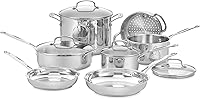
The Cuisinart Chef's Classic set works with gas, glass ceramic, and induction cooktops. Its stainless steel cookware has an aluminum-encapsulated base.
Which materials are a good fit for a glass top?
Stainless steel and hard-anodized aluminum can both suit glass top cooking when the pan has the right base. Compare cookware compatibility and bottom finish, rather than choosing by material name alone.
Stainless steel is an option if you want cookware for several cooking methods. Aluminum cookware can heat quickly, but induction cooking requires a compatible base.
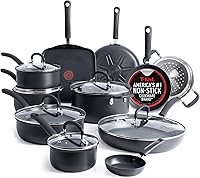
The KitchenAid Hard-Anodized Induction Nonstick Set has a thick forged base and is designed for use on any stovetop, including induction. T-fal cookware works on gas and electric stovetops, but not induction.
For more on stainless steel and other common options, read what is clad cookware. If you're comparing materials, our aluminum vs stainless steel cookware guide explains the main tradeoffs.
What cookware should you avoid on a glass top?
Avoid pans with rough, dirty, or warped bases, and handle heavy cookware with care. These can scratch the surface, rock on the cooking zone, or make poor contact.
Cast iron is heavy and can have a rough underside. Follow your stove manual before using it, and lift it rather than sliding it across the glass.
Don't shake or drag a pan to move food around. Lift it, set it down gently, and wipe away spills after the surface cools as directed by the stove maker.
The Circulon Premier Professional set has a stainless steel base and is suitable for all stovetops, including induction. Its hard-anodized aluminum body has a nonstick interior.
How should you use cookware on a glass top stove?
Lift cookware to move it, and place it down gently. Sliding or dropping a pan can scratch or damage the glass, even if the pan is otherwise compatible.
Keep pan bottoms clean and dry before cooking. Food debris trapped beneath a pan can mark the surface, and spilled sugar or other foods may need quick attention under the stove maker's instructions.
Let hot cookware cool in a safe spot rather than putting it down hard or moving it across the cooktop. Use the stove manual for cleaning steps and surface care guidance.
How do you choose a set for a glass top stove?
Start with cooktop compatibility, then check the base shape and the pieces you will use most. A large set is useful only if its pans suit your stove and everyday cooking.
If you want stainless steel, the Cuisinart set includes saucepans, skillets, a stockpot, and a steamer insert. For induction use with nonstick interiors, compare the KitchenAid and Circulon sets.
T-fal is an option for gas and non-induction electric glass tops. It isn't suitable for induction, so confirm your cooktop type before choosing it.
Our guide to pots and pans sets explains what to check before buying a set. If you need only a few pieces, how many pots and pans do you really need can help you avoid unused extras.
Which pots and pans should you choose for a glass top stove?
For pots and pans for a glass top stove, choose smooth, flat-bottomed cookware that matches your cooktop type. Lift it when moving, keep the base clean, and follow your stove's care instructions.
Choose T-fal for gas and non-induction electric stovetops. Choose Cuisinart for stainless steel cookware compatible with glass ceramic and induction cooktops, or KitchenAid and Circulon for hard-anodized cookware compatible with induction.
Compare your cooktop manual with the cookware's compatibility details before you buy. That check matters most when you're unsure whether your glass surface uses induction.
Frequently asked questions
What kind of pots and pans are best for a glass top stove?
Choose cookware with a smooth, flat bottom that sits steadily on the cooking zone and matches the cooktop type. Stainless steel and hard-anodized aluminum are options, but check the cookware and stove instructions for compatibility.
Lift pans when moving them to reduce the chance of scratching the glass.
Can you use stainless steel pans on a glass top stove?
Yes, stainless steel pans can work on a glass top stove if their bases are flat, smooth, and compatible with your cooktop. Stainless steel with an aluminum base can spread heat through the pan.
Avoid dragging it across the glass, and check the instructions for both the pan and stove.
Can cast iron scratch a glass top stove?
Cast iron can scratch or damage a glass top if you slide or drop it, since it is heavy and can have a rough base. Check your stove manual before using it.
If permitted, lift it carefully with both hands and avoid placing it down hard on the surface.
Do glass top stoves need special cookware?
They don't always need cookware made specifically for glass tops, but the pan must suit the cooktop type and have a flat, smooth base. Induction glass tops also require induction-compatible cookware.
Check both manuals, since cookware approved for a radiant electric surface may not work on induction.