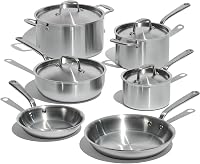
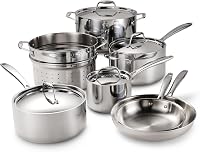
HexClad vs Made In Cookware: Which Is Better? (November 2026)
Choose HexClad for a hybrid surface, included lids and dishwasher-friendly care; choose Made In stainless for an uncoated 5-ply cooking surface. Made In CeramiClad is the coated alternative if you want 3 pans with layered stainless and aluminum construction.
On this page (7 sections)
HexClad vs Made In comes down to cooking surface, lids and cleanup: choose HexClad for a hybrid surface and dishwasher-friendly care, or Made In stainless for uncoated 5-ply cookware. Made In CeramiClad gives you a coated alternative with the same 8, 10 and 12 in pan sizes.
All 3 sets cover the core frying pan sizes, but their surfaces change how you cook and care for them. HexClad combines stainless steel with TerraBond ceramic coating and includes tempered glass lids.
Made In offers an uncoated stainless set and a ceramic-coated set built with stainless and aluminum layers.
Think about the foods you cook most, how much cleanup you tolerate and whether you need lids. Those everyday details will narrow the choice faster than the brand name alone.


HexClad vs Made In: which frying pan set fits your cooking?
Pick HexClad if you want a coated hybrid surface with lids, Made In stainless if you want an uncoated cooking surface, or CeramiClad if you want ceramic coating in a 5-ply body. Each set comes with three pan sizes, so the main differences are surface, care and included pieces.
HexClad's 6-piece set contains three frying pans and three tempered glass lids. Each Made In set contains three pans, with no lids included.
The 8 in pan works for smaller portions and quick jobs, while the 10 and 12 in pans give you more room for larger servings. If you need pots, saucepans or a full kitchen collection too, these frying pan sets may leave gaps.
Our guide to how many pots and pans you need can help you make a practical list before buying.
For broader brand context, see which cookware brands are worth buying. If you are still deciding between metal types, our guide to the best material for pots and pans explains how common surfaces differ.
How do the cooking surfaces compare?
HexClad combines stainless steel and ceramic coating, Made In stainless has an uncoated steel surface, and CeramiClad pairs ceramic coating with a stainless and aluminum body. The right surface depends on whether you want coating and how you like to brown, release and clean food.
HexClad uses a laser-etched hexagonal surface that combines stainless steel with TerraBond ceramic coating. The maker describes the design as suitable for searing and easy cleaning, and the surface gives you a coated option with stainless steel in the mix.
Made In stainless is the straightforward choice if you want food to contact uncoated stainless steel. Its five metal layers are intended to provide heat distribution and control, and the cooking surface has no nonstick coating.
Made In CeramiClad is the coated option in Made In's lineup here. Its five-ply stainless and aluminum construction has a ceramic nonstick surface, so it offers a different cooking surface from the uncoated set.
HexClad vs Made In for eggs and delicate foods
HexClad and CeramiClad are the coated options, while Made In stainless is uncoated. If you often cook eggs, fish or other foods that can stick, a coated surface may feel easier to manage.
Coating does not remove the need to use sensible heat or clean the pan carefully. For ceramic-coated cookware, avoid treating the surface like bare stainless steel.
Follow the brand's care instructions. The guide to making nonstick pans last longer covers useful habits for coated cookware.
If you prefer a pan without a nonstick coating, choose Made In stainless and learn how to preheat and use it well. A stainless surface rewards attention to heat and food release, while a coated surface is a better match for cooks who want a different cleanup routine.
For a closer look at the hybrid option, read our HexClad Hybrid 6-Piece Pot Set review. It covers a different HexClad set, so compare the pieces before assuming the pot set has the same contents as these frying pans.
Which surface suits searing and browning?
Made In stainless is the clearest fit if you want an uncoated stainless surface for browning and searing. HexClad also describes its hybrid design as suited to searing, and CeramiClad is recommended for searing and frying, so the deciding point is whether you want coating.
Stainless steel is a familiar choice for cooks who want direct contact between food and an uncoated metal surface. With any stainless pan, preheating and managing heat help reduce sticking; do not expect the cooking experience to match a coated pan.
If you want a coated surface for everyday frying, HexClad and CeramiClad are the candidates. Our HexClad vs All-Clad cookware comparison offers another matchup for shoppers weighing hybrid construction against stainless cookware.
What comes in each set?
HexClad includes three lids, while each Made In set includes three pans and no lids. The pan sizes are the same across all three choices: 8, 10 and 12 in.
A lid is useful when you want to cover food as it cooks or keep splatter contained. It also takes cabinet space, and you may not need the included set if you already have lids that fit your pans.
The HexClad tempered glass lids let you see food without lifting the cover. Keep their oven limit separate from the pan limit, since the lids are rated for a lower temperature.
If you choose Made In, consider whether you already own suitable lids. If you need more cookware than frying pans, our Made In 10-Piece Stainless Set review covers a larger collection; check its contents against your own kitchen before choosing a set.
Which set is simpler to care for?
HexClad is dishwasher-friendly, while both Made In sets are hand wash only. Choose HexClad if dishwasher cleanup is a meaningful convenience, or Made In if you are comfortable washing pans by hand.
HexClad also describes its hybrid pans as metal utensil-safe. That can suit cooks who prefer metal tools, but careful use and cleaning are still useful habits for keeping cookware in good condition.
Made In does not specify utensil compatibility for these two sets. Follow the care guidance for the surface you choose, and use utensils that fit that guidance rather than assuming both pans handle tools the same way.
For ceramic-coated cookware, avoid unnecessary high heat and abrasive cleaning habits. For uncoated stainless, remove stuck-on food with an appropriate soak and gentle cleaning rather than scraping aggressively.
If hand washing sounds like a chore you will avoid, the cleanup difference should weigh heavily in your choice.
For more on layered stainless construction, read what clad cookware means. It explains the tri-ply and 5-ply terms used in cookware descriptions.
How do oven limits and cooktop compatibility compare?
All three sets are induction compatible, but their oven limits differ. HexClad pans are rated to 900°F and their tempered glass lids to 400°F; Made In CeramiClad is rated to 550°F, and the stainless set has a maximum temperature of 800°F.
With HexClad, check whether you are moving the pan, its lid or both into the oven. The pan and tempered glass lid have different limits, so the lower lid limit is the one to follow when the pan is covered.
Made In CeramiClad's 550°F oven limit gives you a clear ceiling for oven use. The Made In stainless set has a listed maximum temperature of 800°F, which is the highest stated limit among the Made In options here.
HexClad names gas, electric and induction cooktops. Both Made In sets are induction compatible.
CeramiClad also names gas and smooth-surface cooktops. Match the set to your stove and read the specific temperature guidance before using cookware in the oven.
What common buying mistakes should you avoid?
The most common mistake is choosing by brand or pan count before checking surface, lids and care. All three sets include the same pan sizes, but their cooking surfaces and cleanup instructions differ.
First, do not assume the word “hybrid” means an uncoated surface. HexClad's surface includes ceramic coating, so cooks who specifically want uncoated steel should choose Made In stainless.
Second, do not assume Made In means stainless only. CeramiClad is ceramic-coated, so compare the exact set name and surface before you buy.
Third, do not count the HexClad lids as a benefit if you already have lids that fit and do not want extra storage. Conversely, if you expect to cover pans often and have no suitable lids, the Made In sets may require an additional purchase.
Finally, do not treat every oven limit as the same. HexClad's lid has a lower limit than its pan.
Each Made In set has its own temperature ceiling. Check the pan and lid separately when moving cookware between the stovetop and oven.
Which HexClad or Made In set should you choose?
Choose HexClad for a hybrid coated surface, included lids and dishwasher-friendly care; choose Made In stainless for uncoated 5-ply cookware; choose CeramiClad for a ceramic-coated 5-ply alternative. Skip each option if its surface or cleanup routine does not match how you cook.
HexClad is the strongest fit for someone who values included lids and wants a surface combining stainless steel with ceramic coating. Skip it if you specifically want an uncoated pan or if you do not want the extra lids.
Made In stainless suits cooks who want an uncoated stainless surface and do not mind hand washing. Skip it if you expect nonstick-style release or need lids in the box.
Made In CeramiClad fits a buyer who wants coating with layered stainless and aluminum construction. Skip it if dishwasher cleanup is essential or you are shopping for an uncoated cooking surface.
All three sets cover the same 8, 10 and 12 in frying pan sizes. Decide based on the surface you want to cook on, the care routine you will follow and whether you need lids.
Frequently asked questions
Is HexClad or Made In better for frying?
HexClad fits cooks who want a hybrid stainless and ceramic surface, while Made In's stainless set suits those who prefer an uncoated surface. Both include 8, 10 and 12 in pans, so choose based on cooking surface, cleanup and whether you need lids.
CeramiClad is Made In's coated option.
Are HexClad and Made In pans induction compatible?
Yes, the HexClad set and both Made In sets are compatible with induction. HexClad also names gas and electric cooktops, while the CeramiClad set names gas and smooth-surface cooktops.
Check your cooktop manual if you are unsure which surface type you have.
Which set includes lids?
The HexClad 6-piece set includes a tempered glass lid for each of its 8, 10 and 12 in pans. Neither Made In 3-piece set includes lids.
If you choose Made In, check whether your existing lids fit or plan to buy lids separately.
Can you use metal utensils on these pans?
HexClad describes its hybrid pans as metal utensil-safe. Utensil compatibility is not specified for the Made In stainless or CeramiClad sets, so follow the care guidance for those pans and use utensils that suit the surface.
Which set is easiest to care for?
HexClad is dishwasher-friendly, while both Made In sets are hand wash only. If you usually wash cookware by hand, the difference may matter less than whether you want an uncoated stainless surface or one with ceramic coating.
Follow each brand's care instructions.