How to Make Nonstick Pans Last Longer
Use low to medium heat, nonmetal utensils, and gentle hand washing to help nonstick pans last longer. Let a pan cool before cleaning, and store it so other cookware can't scrape its surface.
On this page (8 sections)
- How do you cook with nonstick pans without wearing them out?
- Which utensils are safe for nonstick pans?
- How should you clean a nonstick pan?
- How should you store nonstick pans?
- Does ceramic nonstick cookware need different care?
- What habits shorten a nonstick pan's life?
- How long do nonstick pans last?
- What is the simplest routine for making nonstick pans last longer?
To make nonstick pans last longer, cook over low to medium heat, use nonmetal utensils, and wash them gently by hand. Let each pan cool before washing, and keep other cookware from rubbing against the coating in storage.
These habits reduce avoidable wear, but no coating lasts forever. Follow the care instructions for your pan when they differ from general advice.
How do you cook with nonstick pans without wearing them out?
Use low to medium heat for most cooking, and avoid heating an empty pan for a long time. High heat can wear a nonstick surface faster, so choose cookware suited to the task if a recipe calls for sustained high heat or a hard sear.
Use a burner that fits the pan's base and keep the handle turned away from the edge. Add a small amount of oil or butter if your pan's instructions allow it.
Avoid sudden temperature changes. Let a hot pan cool before placing it under cold water, since a quick change can stress the pan.
Do nonstick pans need to be preheated?
Preheat briefly on low or medium heat, and don't leave the pan empty on a hot burner. Add oil or food once the pan is warm, following its care instructions.
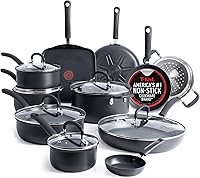
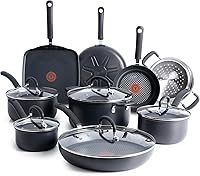
The T-fal Ultimate set includes a heat indicator that turns red when a pan is properly preheated. That cue may help you avoid overheating while waiting for the pan to warm.
T-fal says the set's coating lasts longer than its basic nonstick coating. Its care instructions say to hand wash it.
Which utensils are safe for nonstick pans?
Choose wood, silicone, or plastic utensils unless your pan's instructions say otherwise. Metal edges can scratch a coating, especially when you cut food or scrape the pan with force.
Use a soft spatula to turn eggs or fish, and lift food instead of dragging a utensil across the surface. Our guide to using metal utensils on nonstick pans explains why pan-specific guidance matters.
Is a nonstick pan with metal utensil compatibility a better choice?
A stated metal-utensil compatibility can give you more flexibility, but it doesn't make rough scraping a good habit. Check the care instructions for the exact pan and use the gentlest utensil that works.
Calphalon's Hard-Anodized Nonstick set is compatible with metal utensils. It has long stainless steel handles and includes frying pans, saucepans, a sauté pan, and a stock pot.
Even with that compatibility, avoid knife cuts, sharp forks, or forceful scraping. Hand wash with a soft sponge to keep routine cleaning gentle.
How should you clean a nonstick pan?
Let the pan cool, then wash it with mild soap and a soft sponge or cloth. Avoid steel wool, abrasive scouring pads, and harsh scrubbing that can wear the coating.
Soak stuck food in warm, soapy water rather than scraping it off with a metal tool. Dry the pan before putting it away.
KitchenAid says its cookware and lids are dishwasher safe. Hand washing remains a simple way to reduce exposure to strong detergents and repeated high heat.
If you use the dishwasher, follow the cookware maker's instructions, load the pan so it can't bang against other dishes, and avoid high-heat drying if the instructions advise against it.
How should you store nonstick pans?
Keep the coated surface from rubbing against another pan or a hard utensil. Hang pans by their handles if you have space, or place a soft cloth or pan protector between stacked cookware.
Don't pile heavy pots inside a nonstick skillet. Store lids separately or place them so their rims and handles don't press into the cooking surface.
If your cabinets are tight, a pan rack can keep cookware separated. Measure the shelf and pans first, and choose a storage setup that leaves the coating clear.
Does ceramic nonstick cookware need different care?
Use gentle heat, utensils, washing, and storage for ceramic nonstick pans too. The coating type may differ, but avoiding scratches and rough cleaning is still a practical way to reduce wear.
GreenPan's Lima set has a ceramic nonstick coating and hard-anodized aluminum bodies. GreenPan says its Thermolon coating is free of PFAS, PFOA, lead, and cadmium, and describes the bodies as scratch-resistant.
Those material details don't mean the surface can't be damaged. Use soft utensils and avoid abrasive pads, then compare ceramic and traditional nonstick cookware if you're deciding which coating type fits your kitchen.
What habits shorten a nonstick pan's life?
Prolonged high heat, metal scraping, abrasive cleaning, and careless stacking can all add avoidable wear. Cooking spray residue may also build up, so check your pan's instructions before using it.
Don't use a nonstick pan as a cutting board, and don't store sharp tools inside it. Replace a pan if the coating peels or flakes, or if the surface is deeply scratched.
If you are choosing new cookware, our guide to hard-anodized pots and pans sets compares sets with hard-anodized bodies. For ceramic options, see GreenPan cookware sets.
How long do nonstick pans last?
Nonstick pan lifespan depends on the coating, how often you cook, and how you care for the pan. There is no fixed number of years that applies to every pan, so use changes in the surface and food release as practical signs.
A pan that releases food less well may still be usable if its coating is intact and it works for your cooking. Replace it when the surface is peeling, flaking, or badly damaged, and check the maker's care guidance for the specific cookware.
What is the simplest routine for making nonstick pans last longer?
Use moderate heat, gentle utensils, hand washing, and protected storage as your everyday routine. Let the pan cool before washing, and don't leave it empty over high heat.
Choose Calphalon if metal utensil compatibility matters to you, KitchenAid if you need an induction-ready set, or GreenPan if you prefer ceramic nonstick. For a visual preheating cue, consider T-fal's set, then read what to check before buying a pots and pans set.
Our score weighs specs, features, and buyer feedback against what you're shopping for.
Frequently asked questions
How long do nonstick pans last?
There isn't one lifespan that fits every nonstick pan. How often you cook, the coating and construction, and daily care all matter.
Use gentle heat and utensils, wash without abrasives, and replace a pan if its coating is peeling or its surface is badly damaged.
Can you use cooking spray on nonstick pans?
Check the pan's care instructions before using cooking spray. Some sprays can leave a sticky layer that builds up with heat and is hard to remove.
If the instructions allow it, use a small amount and clean the pan gently after cooking.
Should you put nonstick pans in the dishwasher?
Follow the care instructions for your specific pan. Hand washing with mild soap and a soft sponge is a gentle default, even when a pan is described as dishwasher safe.
Repeated dishwasher cycles can expose cookware to heat and strong detergents.
When should you replace a nonstick pan?
Replace a nonstick pan when its coating is peeling, flaking, or badly scratched, or when food release has declined enough that it no longer works for you. Don't try to repair a damaged coating.
Check the maker's guidance for disposal or recycling options.